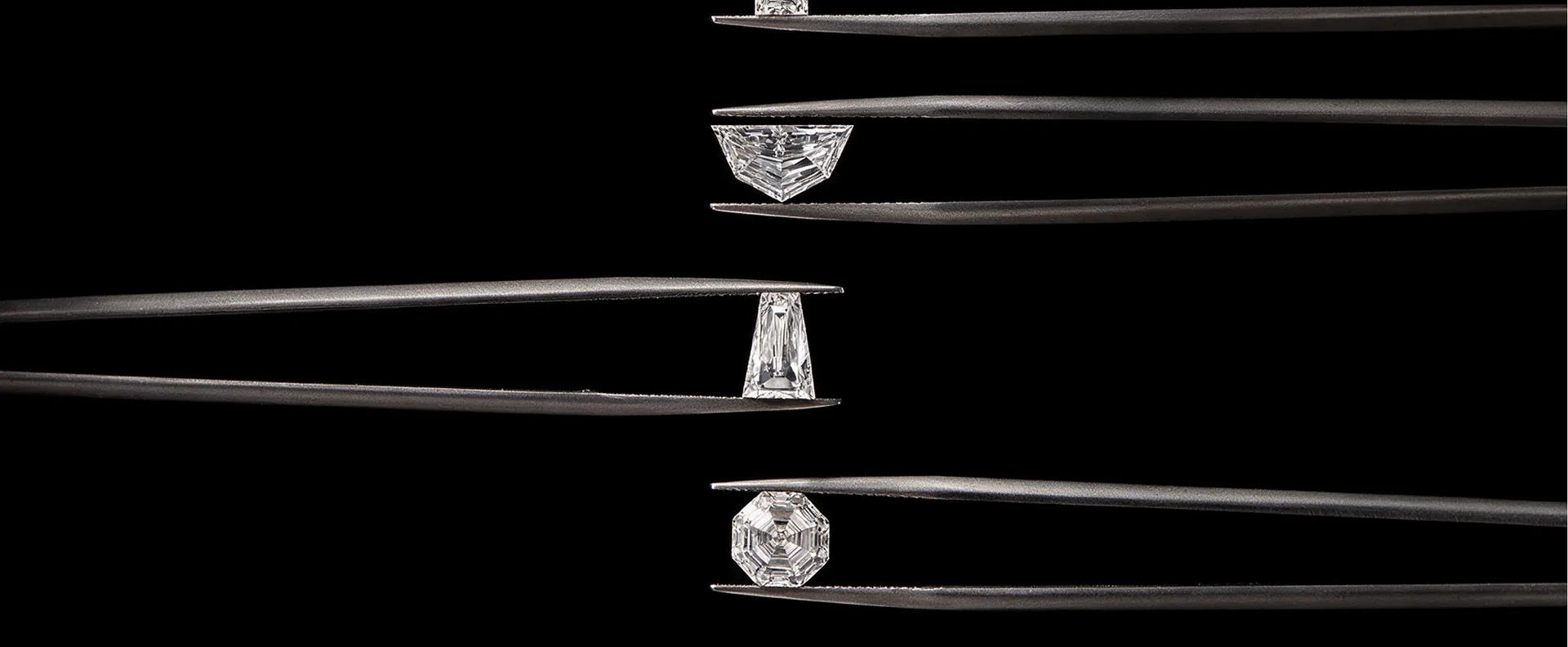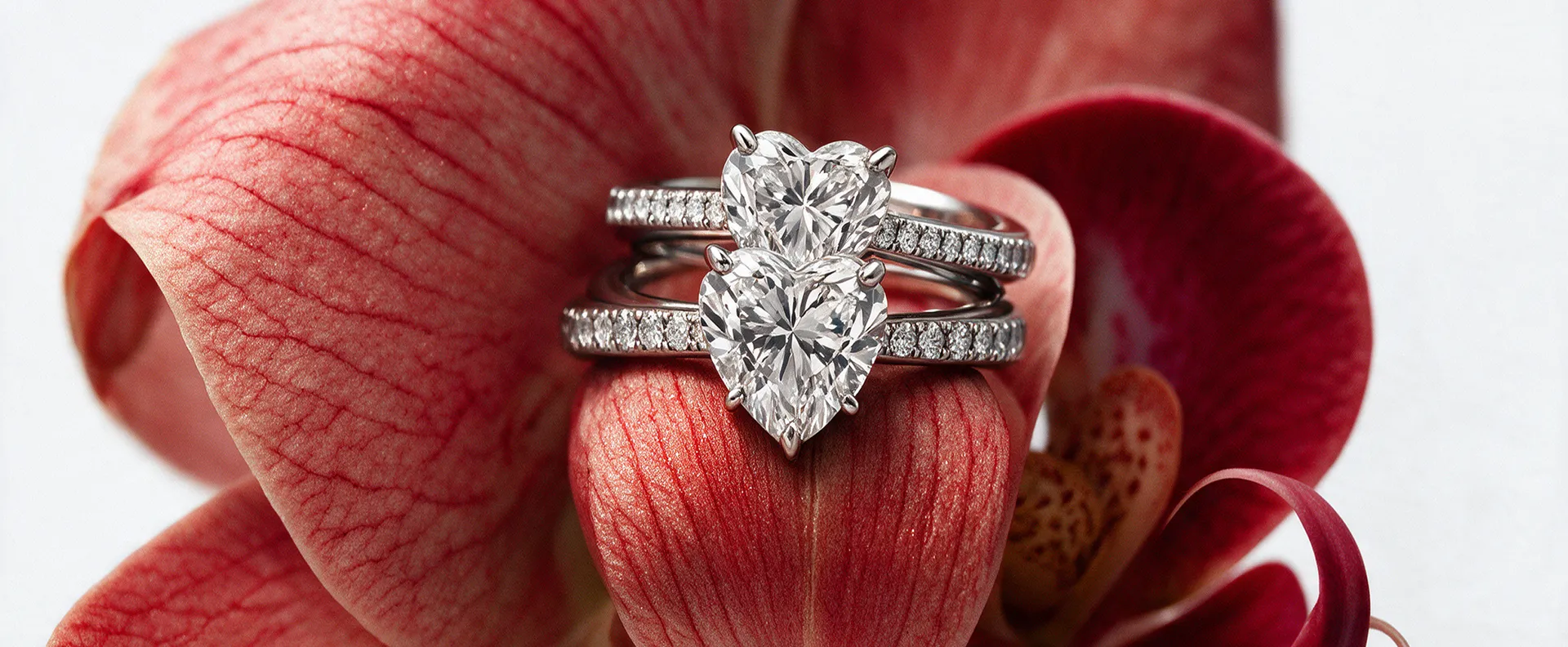



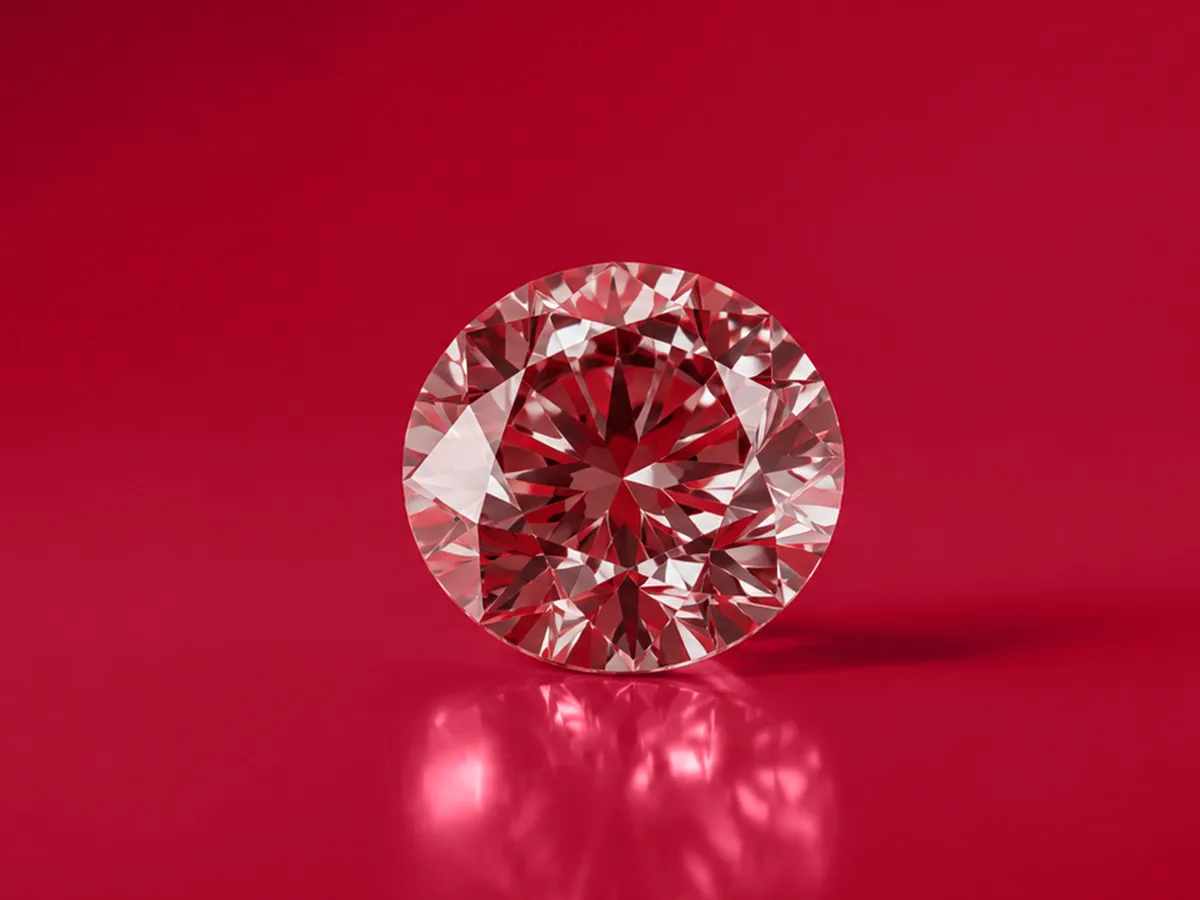
Lab-grown diamonds are real diamonds created with advanced technology. Before buying one, customers should understand how they are made, how certification works, why the 4Cs matter, how they perform in daily wear and how to choose a design that feels personal, beautiful and long-lasting.
Buying a diamond is exciting. Whether it is for a proposal, a wedding, an anniversary, a birthday, or simply a “I deserve this” moment, a diamond always carries emotion — a diamond is not just something you wear; it becomes a part of your story.
But when you start exploring lab-grown diamonds, some questions may naturally come up. Are they real diamonds? How do I know the quality is good? Where should I buy them from?
But buying a lab-grown diamond does not have to feel confusing. Once you know what to look for, the process becomes much easier and more enjoyable. In this blog, we'll understand five things nobody usually tells us before buying a lab-grown diamond, but every buyer should know.
If you are completely new to lab-grown diamonds, start with our guide on what lab-grown diamonds are, how they are made, and what you should know before buying one.
1. Lab-Grown Diamonds Are Real Diamonds
This is the first thing you want to understand clearly. Lab-grown diamonds are real diamonds. They are not imitation stones made to “look like” diamonds. They are not glass, crystal, cubic zirconia, or moissanite.
Lab-grown diamonds are made of carbon atoms arranged in a diamond crystal structure. This is what gives them their brilliance, hardness, and durability. They have the same optical and physical properties that make diamonds so loved.
This also means that most standard diamond testers identify lab-grown diamonds as diamonds. These testers usually measure properties such as thermal or electrical conductivity. Since lab-grown diamonds share these properties, they test as real diamonds.
The main difference between a diamond and a lab-grown diamond is the origin. Instead of being formed beneath the Earth's surface, lab-grown diamonds are created in a controlled environment using advanced technology. This allows the diamond to develop with real diamond properties while giving buyers a more modern and transparent way to own fine jewellery.
2. The Creation Method Can Affect the Finish
Not all buyers know that lab-grown diamonds can be created using different methods. Two common methods are HPHT and CVD.
HPHT stands for High-Pressure, High-Temperature. In this method, intense pressure and heat are used to grow a diamond from a small diamond seed. The process recreates the conditions required for diamond formation in a controlled environment.
CVD stands for Chemical Vapour Deposition. In this process, a diamond seed is placed inside a chamber filled with carbon-rich gases. These gases break down, and carbon atoms slowly settle on the seed, growing the diamond layer by layer.
CVD is often preferred for fine jewellery because it allows better control over the diamond's growth process. This can help create diamonds with impressive clarity, brilliance, and consistency. Many CVD-grown diamonds are also known for their clean crystal structure.
At Mayavé, we use the CVD process to create lab-grown diamond jewellery. The focus is on quality, finish, and pieces that look beautiful when worn in real life.
3. Certification Matters
A diamond may look beautiful, but certification tells you what you are actually buying.
A certificate confirms important details about the diamond, such as cut, colour, clarity, carat weight, and lab-grown origin. It acts like a quality report, giving buyers a clearer understanding of the diamond's characteristics.
This is especially important when buying lab-grown diamond jewellery because the certificate helps remove all doubts. You do not have to depend only on lighting, photos, or verbal claims. You have trusted documentation that explains the diamond's grading.
In India, IGI certification is commonly used for lab-grown diamonds. IGI-certified diamonds come with grading details that help buyers assess the diamond's quality and authenticity.
Mayavé Lab-Grown Diamond Jewellery is IGI-certified. This means customers receive trusted documentation that clearly explains the diamond's characteristics and grading.
4. The 4Cs Still Matter
There is a common misconception that all lab-grown diamonds are the same. But just like natural diamonds, each lab-grown stone has its own unique quality, clarity, and character. They are also graded using the 4Cs: cut, colour, clarity, and carat.
Cut affects how much the diamond sparkles. A well-cut diamond reflects light beautifully and looks more brilliant.
Colour refers to how colourless the diamond appears. Many buyers prefer diamonds that look bright and clear.
Clarity indicates the presence of tiny, natural-looking internal or surface characteristics. Higher clarity usually means the diamond looks cleaner to the eye.
Carat refers to the weight of the diamond. It affects size, but bigger is not always better. A smaller, well-cut diamond can often look more brilliant than a larger diamond with poor proportions.
A good seller will help you understand these details without making the process overwhelming.
5. Lab-Grown Diamonds Are Made for Everyday Wear
Many people think diamond jewellery is only for special occasions. But lab-grown diamonds are strong enough for regular wear when set properly and cared for well.
The diamond may be durable, but the metal setting, prongs, chain, and clasp should be handled properly. It is always wise to store jewellery safely, clean it on a regular basis, and avoid wearing delicate pieces during physical activities.
If you are choosing a ring for daily wear, look at the setting carefully. A secure setting protects the diamond and makes the jewellery more comfortable to wear. If you are choosing earrings or a pendant, think about weight, length, and how often you plan to wear them.
Mayavé's lab-grown diamond jewellery is designed for modern buyers who want pieces that feel elegant, wearable, and meaningful. The idea is to offer jewellery that does not stay locked away for a single occasion but becomes part of your personal style.
If you are looking for jewellery that can work across different wedding celebrations, see how one jewellery set can be styled from mehendi to reception.
Final Thoughts
Buying a lab-grown diamond is not just about choosing sparkle but also about quality, certification, design, comfort, and meaning. The more you understand these details, the more confident you feel about your purchase.
With Mayavé Lab Grown Diamond Jewellery, you can explore IGI-certified pieces designed for occasions like proposals, weddings, celebrations, gifting, and everyday elegance. Each piece is created to feel special, wearable, and personal.
If you are choosing a lab-grown diamond for a proposal, our guide on how to plan a proposal in India can help you plan the moment with more confidence.
Explore our collection and choose pieces that bring together brilliance, craftsmanship, and modern confidence.
FAQs
1. Are lab-grown diamonds a good choice for proposals?
Yes, they are a beautiful choice for proposals. They offer real diamond sparkle and let you choose a meaningful design that suits your partner's style.
2. Can lab-grown diamond jewellery be customised?
Yes, many lab-grown diamond jewellery pieces can be customised in terms of design, size, setting, and metal preference. It helps make the piece feel more personal.
3. How do I choose a lab-grown diamond as a gift?
Start with the person's style. If they like minimal jewellery, choose something delicate. If they love statement pieces, go for a more noticeable design.
4. Which metal looks best with lab-grown diamonds?
Lab-grown diamonds look beautiful with yellow gold, rose gold, and white gold. The best choice depends on the wearer's skin tone, wardrobe, and personal taste.
5. When should I buy lab-grown diamond jewellery before an occasion?
It is better to buy a little in advance, especially if you need resizing, customisation, or gifting packaging. This gives you enough time without last-minute stress.